No products in the cart.

80% of Tap Water Contains Microplastics – What Are We Really Drinking?
Introduction
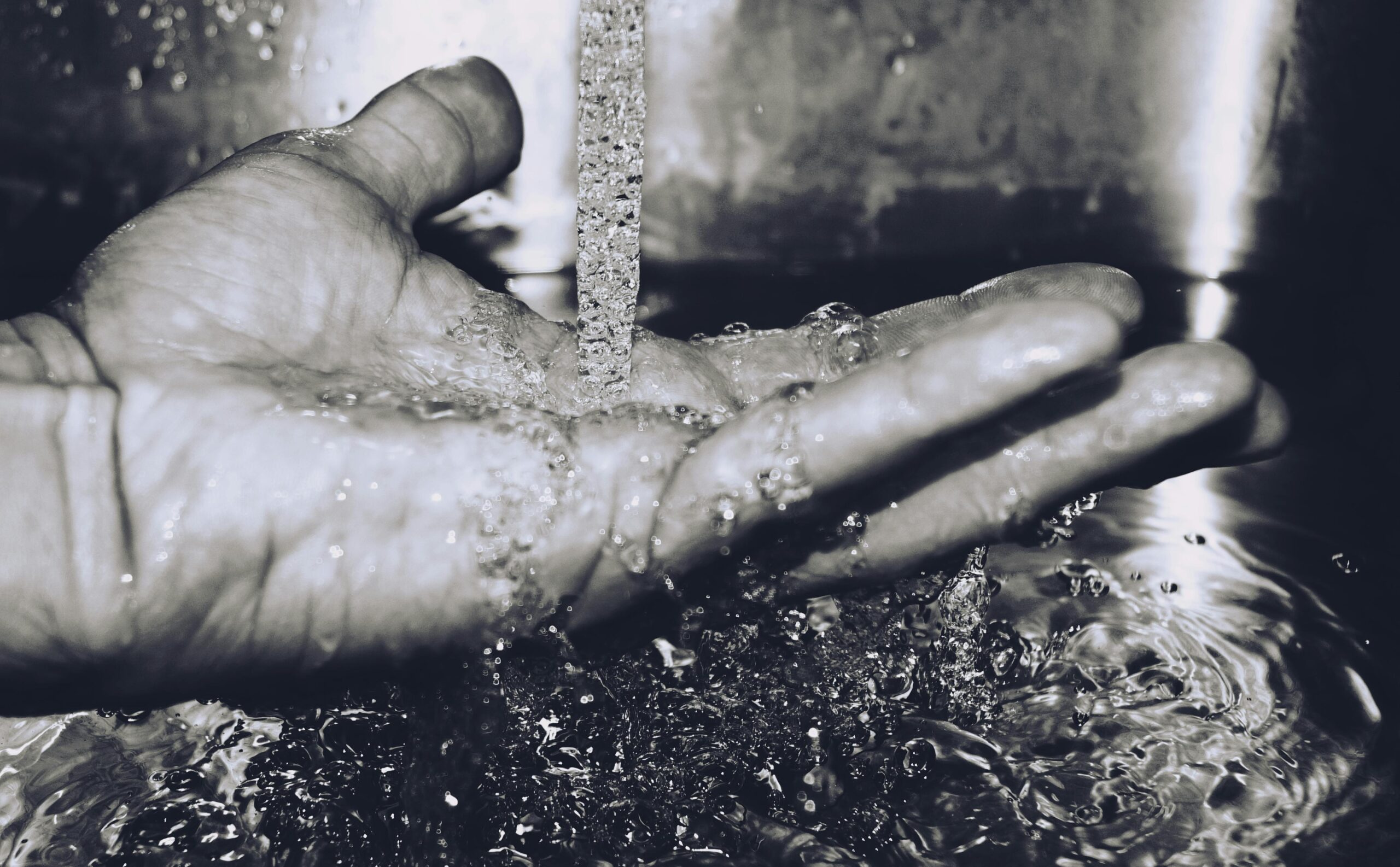
Every time you fill up a glass from your tap, you probably assume you’re drinking clean, safe water. But shocking studies reveal a disturbing truth: up to 80% of tap water samples worldwide are contaminated with microplastics80% eau du robinet. From the United States to Europe, billions of people unknowingly consume plastic particles every single day.
So, what exactly does that mean for our health, and is there anything we can do about it? Let’s dive in.
What Are Microplastics?
Microplastics are tiny plastic particles less than 5 millimeters long. They come from:
- The breakdown of larger plastic waste.
- Synthetic fibers from clothing during washing.
- Industrial waste and packaging.
These particles are so small that they pass through water treatment systems, making their way into our taps, food, and even the air we breathe.
The Alarming Findings
According to research by Orb Media, microplastics were found in 83% of tap water samples across 14 countries80% eau du robinet.
- The United States topped the list with contamination found in 94% of samples — even in places like the U.S. Congress and Trump Tower.
- In Europe, the situation is slightly better but still alarming: 72% of samples contained plastic particles.
- On average, a half-liter of tap water can contain 1.9 to 4.8 microplastic fibers.
This isn’t just a local issue — it’s a global crisis.
Why Is This Dangerous?
The danger of microplastics doesn’t just lie in their presence, but in what they carry:
- Toxic Chemicals – Plastics can absorb harmful chemicals like pesticides, heavy metals, and industrial pollutants.
- Pathogens – Microplastics provide a surface where bacteria can attach and multiply.
- Cell Penetration – Studies suggest these particles may infiltrate human cells and even organs, leading to long-term health risks.
Dr. Anne-Marie Mahon, a researcher in Ireland, warns that plastic particles can enter human cells and may potentially harm organs80% eau du robinet.
Are Filters or Bottled Water Safer?
Here’s the catch:
- Household filters reduce some contamination, but most can’t capture particles as small as 10 microns.
- Bottled water isn’t the answer either. Studies found microplastics in bottled water too — sometimes at even higher concentrations than tap water.
It’s a lose-lose situation… unless we rethink our relationship with plastic altogether.
What Can We Do?
While large-scale solutions will require government regulations and industrial changes, here’s what you can do right now:
✅ Invest in high-quality filters (look for reverse osmosis or nanofiltration systems).
✅ Reduce your use of single-use plastics — fewer plastics = less breakdown into microplastics.
✅ Pressure local authorities and policymakers to test and regulate water quality more strictly.
✅ Stay informed — awareness is the first step toward change.
Conclusion
We often take clean drinking water for granted, but the hidden truth is unsettling: plastic has invaded even the most essential element of life. Until governments, industries, and communities take strong action, every sip from the tap could come with an unwanted dose of microplastics.
So the real question is — when you drink a glass of water, are you quenching your thirst… or swallowing plastic pollution?